
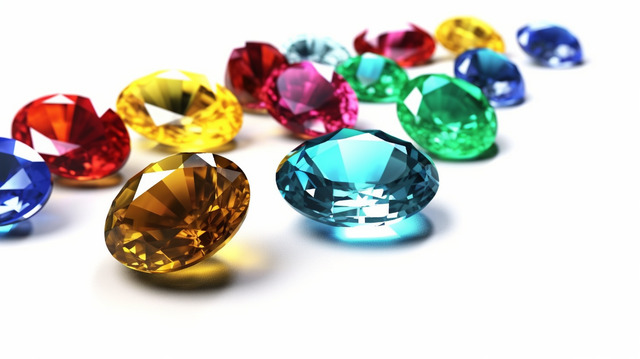
1. WHAT DEFINES A TRUE GEMSTONE?
While the word "gem" evokes images of sparkling crystals, the true definitions in gemmology encompass a versatile array of natural wonders. A genuine gemstone is traditionally a mineral, rock, or organic substance that has been carefully chosen, cut, and fashioned to accentuate its inherent beauty for personal adornment or luxury ornamentation. In the high end jewelry trade, true gemstones are defined by three foundational attributes..
A. Beauty
The unique visual impact of a stone, determined by its interaction with light. This includes its precise vivid color saturation, transparency, vitreous lustre, and inner brilliance or sparkle.
B. Rarity
The geological scarcity of the material. The more difficult a natural gemstone is to locate and mine, the higher its exclusivity, market desire, and long-term financial worth.
C. Durability
The ability of a stone to withstand daily wear and the test of time. This is measured via three factors: hardness (resistance to scratching), toughness (resistance to breaking), and chemical stability.
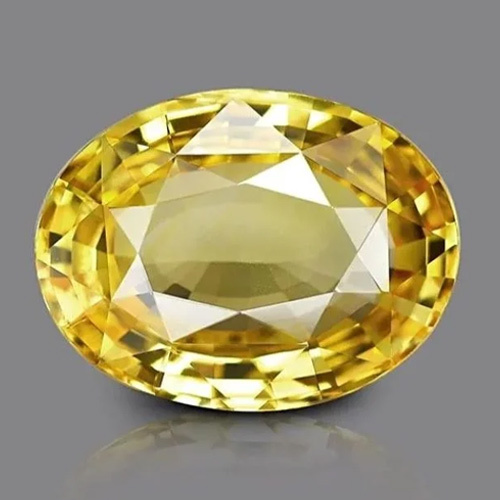
Take the breathtaking brilliance of a perfectly faceted 18 carat yellow sapphire or the iconic fire of an ancient diamond these stones capture the light in ways that human hands can only unlock, never fully replicate. They are physical pieces of Earth’s deep history."
2. The Structural Diversity: Minerals vs. Organic Gems
Most natural gemstones offered by premium curators like SilonGems are inorganic minerals formed deep within the Earth’s crust over millions and sometimes billions—of years. A mineral features a highly organized, repeating atomic crystal structure with a defined chemical composition. It is this exact atomic arrangement that gives gemstones like rubies, emeralds, and sapphires their distinct optical behaviors and physical properties. However, the world of gemology also celebrates alternative structural marvels:
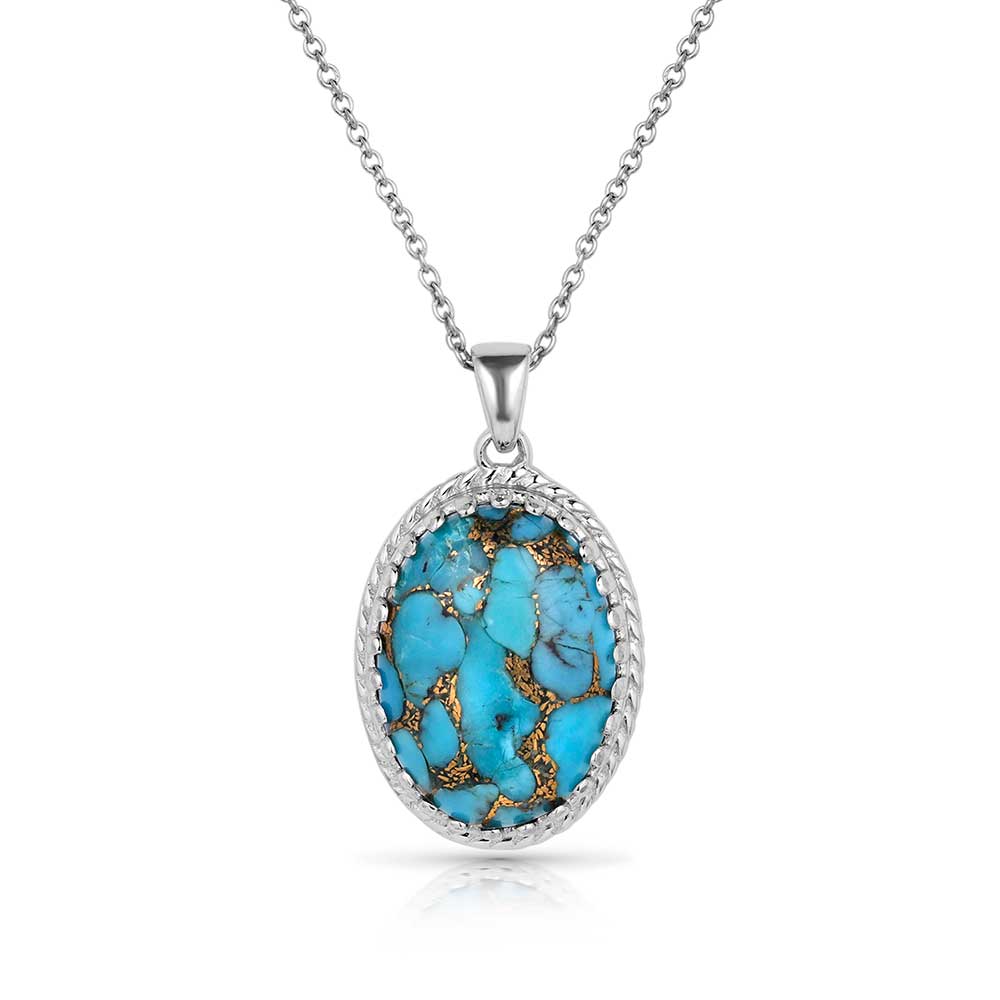
Gem Rocks: Aggregates composed of multiple interlocking minerals. Classic examples include the deep celestial blue of Lapis Lazuli and the structural resilience of imperial Jade.
Organic (Biogenic) Gems: Materials formed through biological processes rather than pure geological compression. This group features exquisite ocean-born Pearls, colorful Coral, and fossilized prehistoric tree resin known as Amber.
3. A Journey Through Time: The Science and Heritage
One of the most profound aspects of wearing a natural gemstone is its incredible age. While a meticulously cultured pearl might take less than a year to form, a sparkling natural diamond, ruby, or sapphire has spent anywhere from tens of millions to several billion years deep inside the earth before being discovered. Historically, the scientific documentation of these treasures began with pioneers like the Greek naturalist Theophrastus in his treatise Peri Lithon (On Stones) around 315 BC, followed later by Pliny the Elder's monumental Historia Naturalis in 77 AD. In the modern era, high-jewelry standards are stringently protected by international governing bodies such as the International Mineralogical Association (IMA) and CIBJO (The World Jewellery Confederation), ensuring that natural origins, treatments, and ethical sourcing are fully transparent to buyers worldwide.
4. Investing in Excellence with Silon Gems
In a modern market filled with synthetic lookalikes and heavy treatments, acquiring authentic, certified natural gemstones is paramount. True value lies within stones that carry geological signatures of their origins a testament to their pure, untouched formation over deep time. Whether you are seeking the royal allure of a classic blue sapphire, the vivid saturation of an emerald, or a bespoke jewelry design, choosing a trusted heritage partner ensures your collection remains timeless, valuable, and uniquely yours. Explore SilonGems today to buy gemstones online with ultimate confidence....